Yes, a bathroom remodel increases home value, but you recover a share of what you spend, not the whole check. The published numbers swing from roughly 50% to 80% recouped depending on which study you read, and that gap is not a rounding error. Here is what drives it, and how to land on the high side of it.
Does a bathroom remodel increase home value?
A bathroom remodel returns part of its cost at resale, plus years of daily use you cannot put on an appraisal.
Two respected sources put very different numbers on it:
- The 2025 Cost vs. Value Report from Zonda and the Journal of Light Construction puts a midrange bathroom remodel near 80% cost recovery nationally.
- The 2025 Remodeling Impact Report from NAR and NARI puts a bathroom renovation at roughly 50% cost recovery, based on what Realtors estimate the project adds at resale.
NAR supplies a Recovered Project Cost percentage estimating the dollar value each project adds at resale, and bathroom renovations come in at only 50 percent cost recovery.
Both are correct. They are measuring different things, which is the part almost no article explains.
Treat any promise of dollar-for-dollar payback with suspicion. Nobody remodels a bathroom and makes money on the remodel alone.
Planning a project? Our bathroom remodeling services page breaks down what a typical scope includes.
Why two trusted sources say 80% and 50%
This is the single most useful thing to understand before you budget.
Cost vs. Value prices one standardized project in 119 markets, then asks real estate professionals what that specific, defined scope adds to a sale price. The 2025 report tracked the ratio of value over cost for 28 specific remodeling projects, building cost indices from Bureau of Labor Statistics and Bureau of Economic Analysis price data. You can read the Cost vs. Value methodology directly.
The NAR and NARI report is broader. It covers all remodeling, not remodeling done to sell, and pairs contractor cost estimates with Realtor resale estimates. The research is on "all remodeling" projects, not "remodeling before I sell" projects.
What that means for you:
- If your scope matches the standardized midrange project and you sell within a couple of years, expect results closer to the Cost vs. Value number.
- If you remodel to your own taste and sell seven years later, expect results closer to the NAR number.
The scope you pick and the timing of your sale move the result more than your tile selection does.
How much value does a bathroom remodel add?
The dollar figure depends almost entirely on scale. A cosmetic refresh and a full gut sit in completely different places on the return curve.
| Project scope | Typical national cost | Estimated value at resale | Share recouped |
|---|---|---|---|
| Cosmetic refresh, no layout change | $3,000 to $12,000 | Varies by market | Usually the highest share, because the base is small |
| Midrange remodel, full replacement in the same footprint | About $26,000 | About $21,000 | About 80% |
| Upscale or major remodel, new layout and premium finishes | $70,000 to $90,000 | $30,000 to $44,000 | About 42% to 50% |
Midrange figures reflect 2025 Cost vs. Value national averages. The 2025 report puts a midrange bathroom remodel at a national average cost of $26,138 yielding $20,915 at resale, an 80% return. Cosmetic refreshes are not tracked as a standalone project, and upscale figures vary widely by market. Regional numbers differ considerably from national ones.
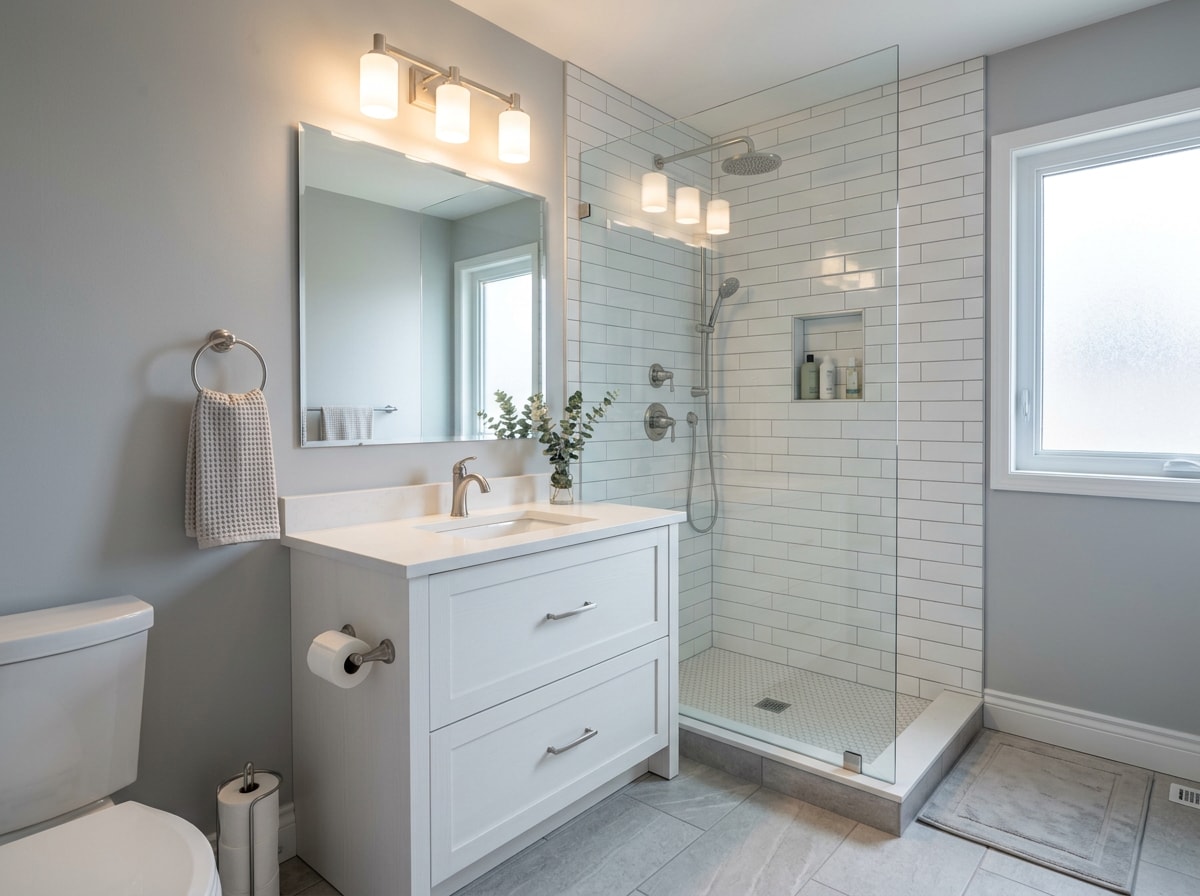
Cosmetic refresh
Paint, a new faucet, a new light fixture, a mirror, cabinet hardware, sometimes flooring. Nothing moves and no walls open.
This tier usually posts the best percentage return of any bathroom project, simply because the spend is small relative to how much fresher the room looks in listing photos.
Midrange remodel
New vanity, new toilet, new flooring, a rebuilt tub or shower surround, better lighting, all inside the existing footprint. This tier replaces most surfaces and fixtures within the existing footprint: flooring, a vanity with a solid-surface or quartz top, a new toilet, a tub-to-shower conversion or updated surround, and better lighting.
This is the sweet spot for resale, and it is the scope most sellers should price first.
Upscale or major remodel
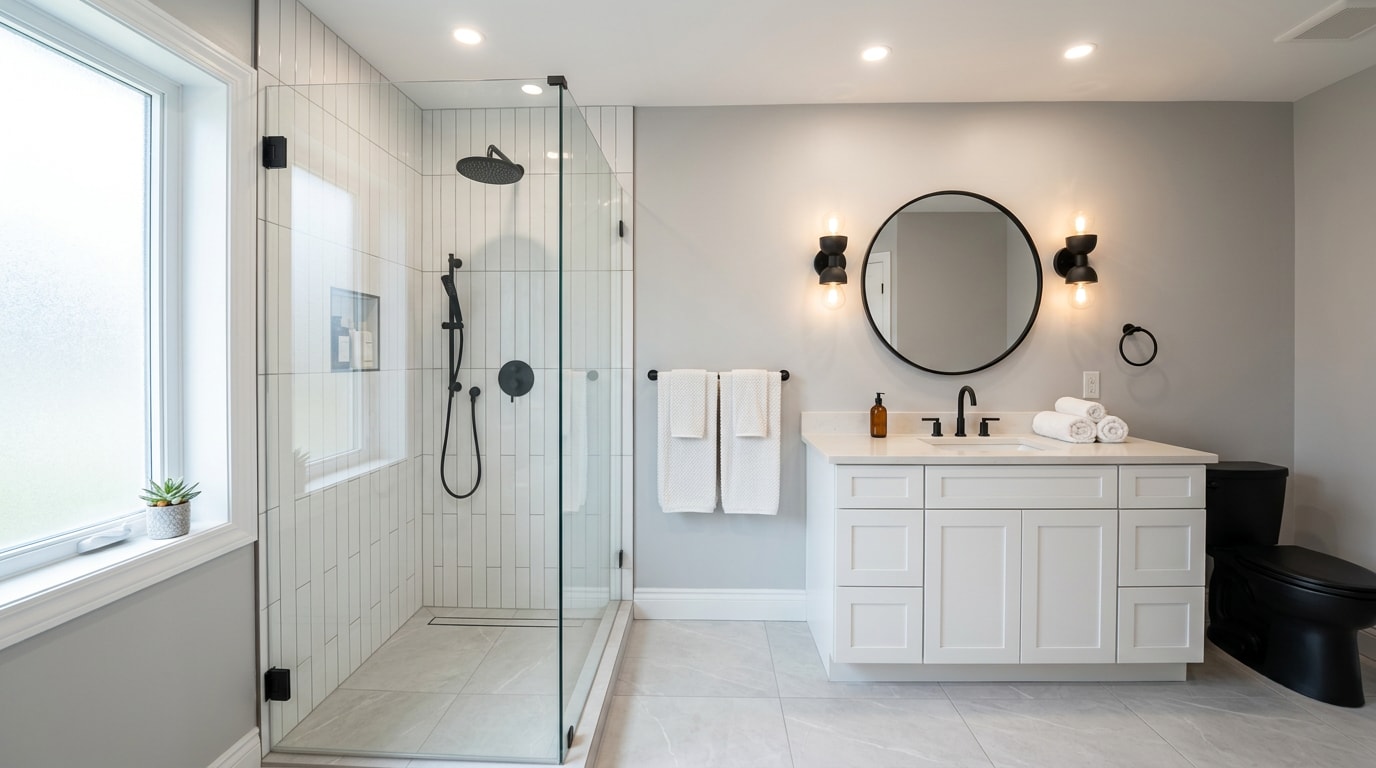
Layout changes, relocated plumbing, a larger footprint, stone, custom cabinetry, frameless glass.
The budget climbs fast and the percentage return drops. The upscale bath remodel averages roughly 42% ROI, barely half of what a midrange remodel returns, because buyers will not pay dollar-for-dollar for luxury finishes in a typical price tier.
The math flips in two situations. First, in a genuine high-end market where premium finishes are the expectation rather than an upgrade. Second, if you are staying ten years and buying comfort rather than resale points.
Which bathroom upgrades add the most value
Ranked by how reliably buyers pay for them:
- A well-built tiled walk-in shower. The highest-impact single upgrade. Buyers read clean tile work and solid glass as proof the whole room was done right. See our shower installation scope for what that involves.
- Tub-to-shower conversion, only in homes that keep another tub. Families with small children still want one bathtub in the house.
- A modern vanity with real storage. Storage is the complaint buyers voice out loud during showings.
- Layered lighting. Vanity plus overhead lighting makes a small bathroom photograph dramatically better for modest money.
- Water-efficient fixtures.
Giving a home's main bathroom a high-efficiency makeover with a WaterSense labeled toilet, showerhead, and faucet aerator can pay for itself in as little as one year , according to EPA WaterSense. Swapping fixtures is fast work, covered under bathroom fixture replacement.
- Durable, moisture-safe flooring. Porcelain or quality LVP reads as low maintenance. Our bathroom flooring installation page covers the tradeoffs.
Two rules make these pay. Keep finishes neutral, because bold tile narrows your buyer pool in five years. And put money into function first: storage, lighting, ventilation, and drainage beat statement pieces at resale every time.
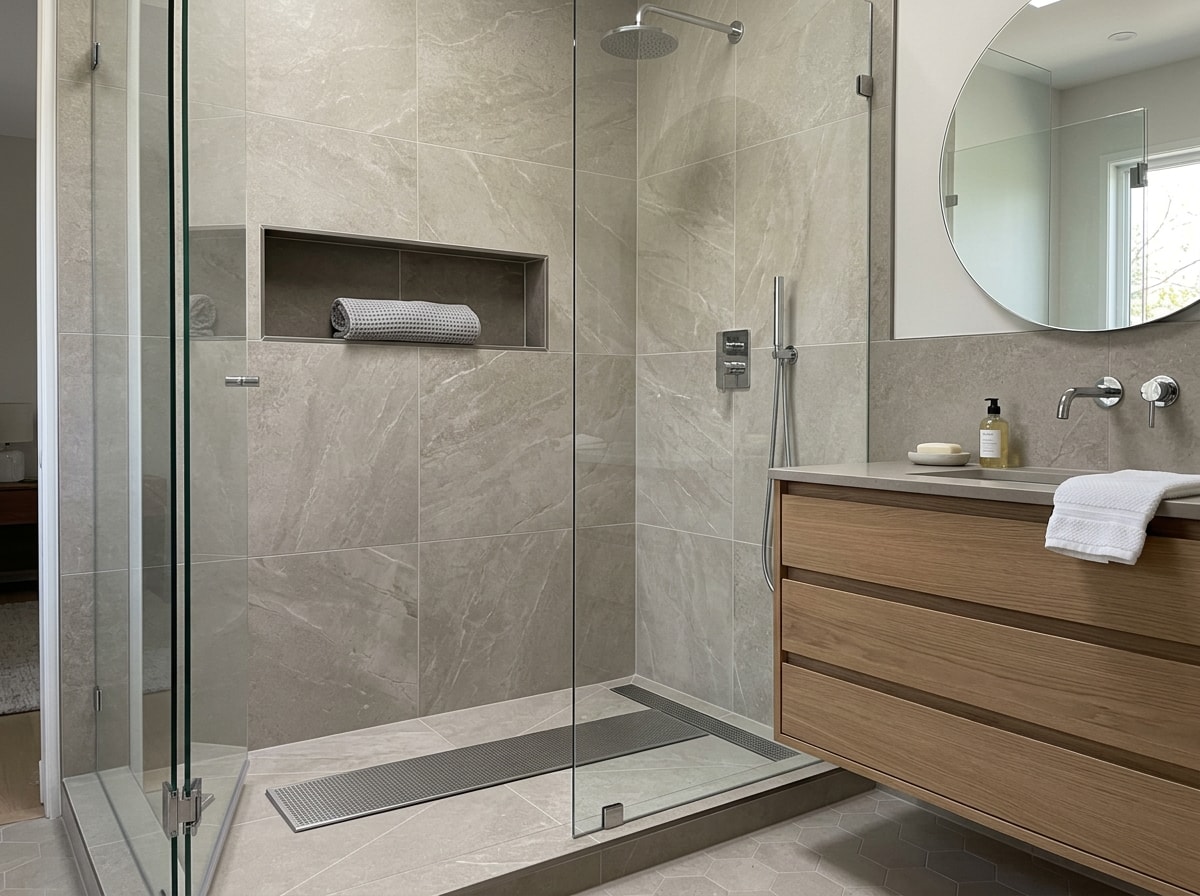
Upgrades that do not pay off
Some features cost real money and return very little.
- Jetted tubs. Most buyers do not want them, and some read them as a maintenance liability.
- Custom steam showers and elaborate built-in sound systems.
- Heated towel racks and ultra-custom mosaic tilework.
- Anything that pushes the room past what the neighborhood supports.
The umbrella problem is over-improvement. A $60,000 bathroom in a neighborhood where homes top out at $340,000 will not come back. Neighborhood comps cap what any appraiser can justify, no matter how good the work is.
This is not a scolding. If you will use a steam shower every winter morning for the next decade, buy it. Just book it as a lifestyle purchase and keep the rest of the budget pointed at upgrades buyers reward.
What actually changes your ROI
National averages are a starting point, not a forecast. Two variables move your real result more than the headline percentage.
Build quality and workmanship
Material grade shows up in appraisals. Quartz and porcelain read as durable and current. Builder-grade acrylic and vinyl do not.
Installation matters more. Leaks, lippage in the tile, and a shower pan that was rushed will drag value down regardless of what the materials cost.
Failed waterproofing behind a shower wall is the most expensive mistake in the room. On Bay Area projects we have opened walls on 1950s baths and found mortar beds sitting on nothing but felt paper, which turns a $28,000 remodel into a $34,000 remodel the moment the demo bags come out. Budget a contingency of 10% to 15% for exactly this reason.
Paperwork counts too. Many buyers ask for proof of permitted work, and unpermitted plumbing or electrical changes can stall a sale during due diligence.
Local market and comps
Bathroom ROI is regional, not national.
In competitive metros, updated bathrooms command real premiums and shorten days on market. In slower markets, the same remodel may only prevent a price reduction.
Price point works differently than most people assume. A higher-priced home gains more dollars from the same upgrade, but the percentage recouped stays roughly similar across tiers.
One concrete step before you set a budget: pull recent comparable sales on your street and compare what updated listings sold for against dated ones. That gap is your realistic ceiling, and it beats any national average as a planning number. If you are in Palo Alto or San Jose, that gap is often wider than the national data suggests.
Want a scope priced against your actual comps? Get a free estimate and we will walk the room with you.
Bathroom addition vs. bathroom remodel
Use a rule, not a preference.
Add a bathroom when the home is under-bathed and the bedroom-to-bath ratio is out of line with what local buyers expect. A three-bedroom, one-bath house is the clearest case. A second bathroom there changes daily life and widens the buyer pool at the same time. Past NAR and NARI reporting has placed a new bathroom addition around 63% cost recovery, below a straightforward renovation on a percentage basis but far stronger on marketability.
Remodel when the existing baths work fine and only look dated. You are paying for finishes instead of framing, rough-in, and square footage, so the percentage return is better.
The gray zone is a two-bath home with a cramped primary bath. Reworking the existing layout usually beats building new, because you are already at the count buyers expect. If an addition really is the answer, our home addition construction team handles the structural side.
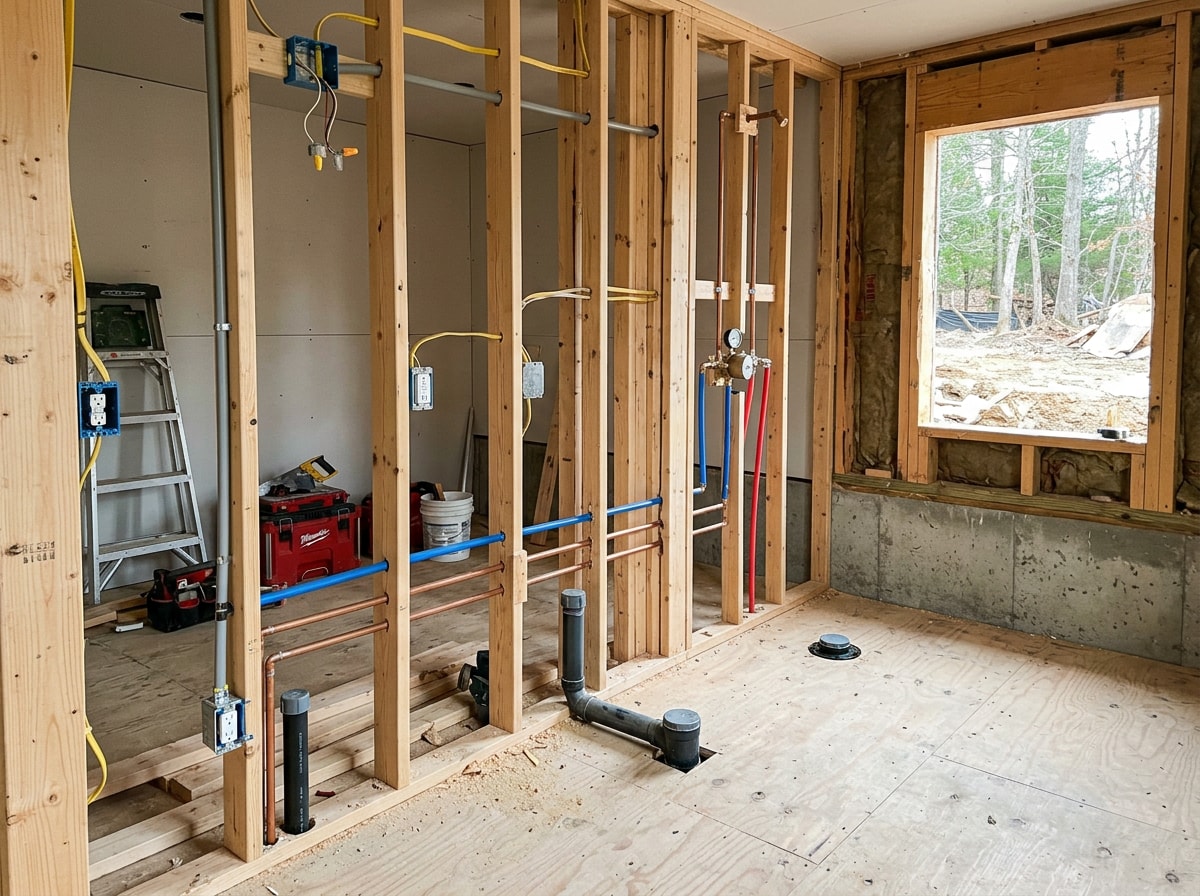
Why buyers scrutinize bathrooms
A tired bathroom does more than look bad. It hands buyers a negotiating lever.
Buyers see cracked grout and imagine what is behind it. They mentally price a full renovation and subtract it from the offer. Some just move to the next listing.
There is a competitive angle too. If your listing sits in the same price band as newer inventory, a modern bath stops being a bonus and becomes the baseline. A move-in-ready bathroom shortens days on market and pulls stronger offers, which is value that never appears as an appraisal line item. Bathroom renovations are among the projects Realtors have seen rising demand for over the past two years , per the NAR and NARI Remodeling Impact Report.
DIY vs. hiring a professional
There is a clean line here.
Reasonable DIY: paint, cabinet hardware, a mirror swap, towel bars, accessories, and a light fixture on an existing circuit.
Not DIY: supply and drain lines, circuit changes, shower pans, and waterproofing. A poorly built wet area creates leaks, mold, and rot that actively reduce property value.
The consequence is measurable. Remediation plus a second install usually costs more than hiring the work out once. A licensed contractor also delivers two things a DIY project cannot: pulled permits and a warranty you can hand a buyer.
Want to see finished work before you decide? Browse our recent projects.
How to set your budget
Work through this in order:
- Pull three to five recent comps, split between updated and dated bathrooms.
- Decide your timeline. Selling inside two years favors a midrange scope. Staying ten years favors what you actually want.
- Cap the spend at what the comp gap supports, then add a 10% to 15% contingency.
- Choose neutral finishes for anything permanent and save personality for paint, mirrors, and hardware.
- Confirm permit requirements with your city before demo, not after.
If you want the full sequencing, our guide on how to plan a bathroom remodel walks through the pre-demo steps in order.
FAQ
How much do you get back on a bathroom remodel?
Roughly 50% to 80% of your cost, depending on scope, market, and how soon you sell. Midrange work in the existing footprint recovers the highest share. Upscale remodels recover the least on a percentage basis.
How much value does adding a bathroom add?
More than a remodel if your home is under-bathed, less if it is not. Published estimates vary widely because the gain depends entirely on your current bedroom-to-bath ratio. Check what comparable homes in your neighborhood offer before you commit.
What bathroom renovations add value to a home?
A tiled walk-in shower, a vanity with real storage, and layered lighting deliver the most consistent returns. Efficient fixtures and durable, moisture-resistant flooring follow close behind.
Is a bathroom remodel worth it?
Usually, especially if you will use the space for two or more years before selling. The financial return is partial, but satisfaction is high. 64% of homeowners report a stronger desire to be at home after a remodel, and 92% say they would remodel more if cost were not a barrier.
Does a bathroom remodel increase property taxes?
It can. Routine repair and replacement is generally not reassessed in California, while permitted new construction such as an added bathroom is typically assessed on the value it adds. Ask your county assessor before you finalize scope.
Does a bathroom or a kitchen remodel add more value?
Kitchens add more total dollars because they cost more. Bathrooms often return a better percentage at the midrange level and are far more accessible for most budgets. If you are weighing both, compare against our kitchen remodeling scopes.
Should I keep the bathtub?
Keep at least one tub in the house. Converting a secondary bathroom's tub to a walk-in shower is usually a net gain, but a home with zero bathtubs loses buyers with young children.
How long does a bathroom remodel take?
A cosmetic refresh runs about one to two weeks. A midrange remodel in the same footprint typically runs three to five weeks. Moving plumbing or expanding the footprint pushes it to six weeks or more, and permit review can add time before work starts.
---
Written by the team at GS Design and Build, a licensed general contracting and remodeling firm serving the San Francisco Peninsula and South Bay, including San Mateo and Menlo Park. Ready to price your project against your own comps? Get a free estimate.